
You choose nutritious foods. You make an effort with your meals. Yet afterward, your stomach feels tight, your waistband becomes uncomfortable, and you wonder:
“Why am I still bloated when I’m eating so well?”
One possible explanation is easy to miss: a food can be nutritious and still contain carbohydrates your gut struggles to tolerate.
Those carbohydrates are called FODMAPs. Understanding them can help you make more informed food choices—and ask better questions before choosing a digestive supplement.
What Are FODMAPs—and Why Can They Make You Feel Bloated?
FODMAP stands for Fermentable Oligosaccharides, Disaccharides, Monosaccharides and Polyols.
In everyday language, these are types of carbohydrates found in many common foods. When they are poorly absorbed, they can draw water into the intestine and be fermented by gut bacteria, producing gas.
People tolerate this differently. In sensitive individuals, especially those with irritable bowel syndrome, it can contribute to bloating, discomfort and changes in bowel habits.
Your meal doesn’t have to be unhealthy to leave you uncomfortable.
If you are also comparing digestive supplements, GutOptim is one option to examine. Its seller lists a combination of L. acidophilus, fiber-containing ingredients and other components in a capsule formula.
Before deciding whether it belongs in your routine, consider the food patterns below and the product information later in this article.
EXPLORE GUTOPTIM’S INGREDIENTS →
Why Do I Keep Feeling Bloated?
With FODMAPs, both the food and the amount can matter. You may tolerate a smaller portion but feel uncomfortable after a larger serving. Combining several sources in one meal can also change the total amount consumed.
For example, apples, regular milk and honey can all contribute FODMAPs. A meal containing them might look nutritious while still being difficult for a particular person to tolerate.
But FODMAPs are only one possible explanation. Swallowed air, constipation and other digestive conditions can also contribute to bloating. Recurring symptoms deserve attention rather than an assumption that one food—or one supplement—explains everything.

6 High-FODMAP Foods Worth Knowing About
These are examples to investigate, not a list everyone needs to eliminate:
- Apples: Contain excess fructose and sorbitol.
- Pears: Another source of excess fructose and sorbitol.
- Onions: Rich in fructans, including when used in sauces and other dishes.
- Garlic: Also rich in fructans.
- Regular cow’s milk: Contains lactose, which some people do not absorb well.
- Honey: Can contribute excess fructose.
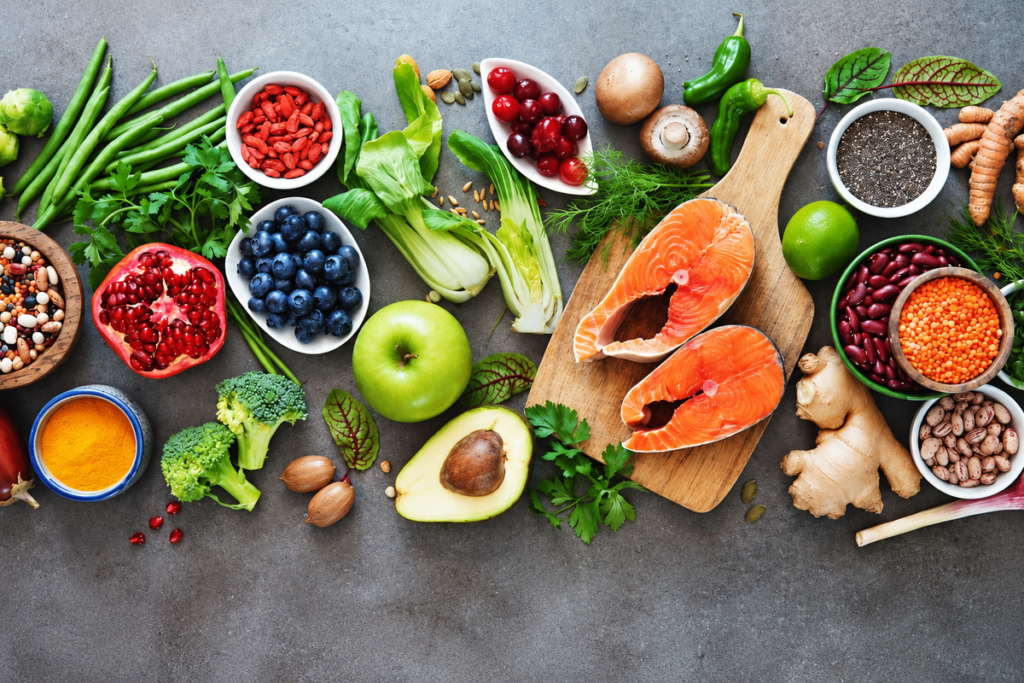
Many of these foods can be part of a nutritious diet. The useful question is which types and amounts you tolerate, rather than whether a food deserves a “good” or “bad” label.
6 Lower-FODMAP Foods to Build Meals Around
For variety, consider these options in appropriate portions:
- Green kiwifruit: An easy fruit option for breakfast or a snack.
- Oranges: Another fruit to consider when replacing an apple or pear.
- Pineapple: A way to add variety to your fruit choices.
- Carrots: Versatile in salads, roasted vegetables or simple side dishes.
- Cucumber: Useful in sandwiches, salads or snacks.
- Potatoes: A flexible base for a meal; pay attention to added sauces and seasonings.
These foods appear among Monash’s lower-FODMAP choices. Lower-FODMAP does not mean unlimited portions or guaranteed symptom relief. Check current serving guidance and your own tolerance.
What Does This Have to Do With Confidence?
If you have changed outfits because your waistband felt uncomfortable, you already know that bloating can affect more than your meal.
It can make you distracted during dinner or less comfortable in clothes you usually enjoy wearing.
The goal is to understand the discomfort and find a manageable routine. You do not need a perfectly flat stomach to feel good about yourself—and a change in your waistline during the day is not a measure of how well you are looking after your health.
Should You Stop Eating High-FODMAP Foods Forever?
No. A structured low-FODMAP diet is generally a temporary reduction followed by reintroduction and personalization, ideally with a qualified dietitian.
The aim is to identify your triggers while keeping as much variety as possible. An ever-growing list of forbidden foods is not the intended outcome.
If symptoms persist, seek help identifying the cause rather than continuing to remove foods on your own.
Meet GutOptim: Make Digestive Care Part of Your Routine
You put thought into your meals. You pay attention to how you feel. Now, give your supplement choice that same intention.
GutOptim brings together probiotic and fiber-based ingredients in one convenient capsule formula, including L. acidophilus, flaxseed, oats, apple pectin and konjac glucomannan, alongside other ingredients.
Its appeal is straightforward: a ready-made combination and a simple daily format, without adding another powder to your breakfast or another recipe to your schedule.
For women who want to add a digestive supplement to their existing habits, GutOptim offers a practical option to consider alongside food choices, hydration and movement.

Ready to Add GutOptim to Your Routine?
You’ve learned why nutritious foods can still leave some people feeling uncomfortable—and why understanding your own digestion matters.
If you’re ready to take the next step with a daily supplement, explore GutOptim and choose the purchase option that fits your routine and budget.
Orders are currently offered as one-time purchases, with no automatic shipments. You can see the available packages, current prices and return terms before completing your order.
CHOOSE YOUR GUTOPTIM PACKAGE →
This affiliate link takes you to GutOptim’s sales page. HerWellChapter may earn a commission at no extra cost to you.
GutOptim is a dietary supplement, not a treatment for IBS or FODMAP intolerance. Results vary. Follow the label and check suitability with a healthcare professional if you have allergies, take medication, are pregnant or breastfeeding. Persistent or severe digestive symptoms should be medically evaluated.
This post contains affiliate links. We may earn a commission at no extra cost to you.